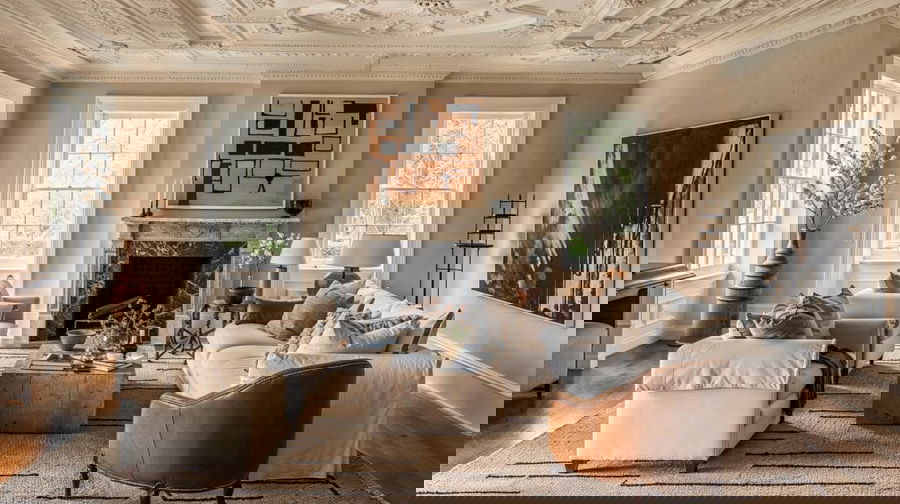
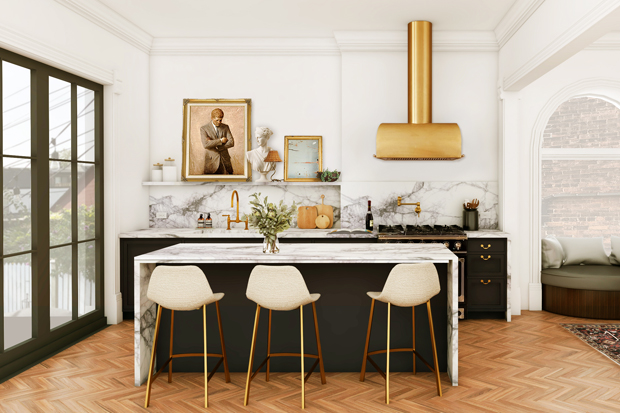
The intersection of old and new creates magic in interior design. While contemporary homes embrace clean lines, minimalist aesthetics, and cutting-edge technology, there’s an undeniable charm that comes from incorporating pieces with history and soul. The strategic integration of antique home decor elements transforms sterile modern spaces into warm, character-rich environments that tell stories and reflect personal taste. Among these treasured additions, sculptures stand as particularly powerful statement pieces that bridge the gap between artistic expression and functional beauty.
The Timeless Appeal of Antique Elements
Modern interior design often prioritizes functionality over personality, resulting in spaces that feel efficient but lack emotional resonance. This is where antique pieces become invaluable. Unlike mass-produced contemporary items, antique furnishings and decorative objects carry the patina of time, the marks of previous owners, and the craftsmanship of bygone eras. These elements introduce layers of visual interest that cannot be replicated through modern manufacturing processes.
The beauty of antique home decor lies not just in its aesthetic appeal but in its ability to serve as conversation starters and memory keepers. A weathered wooden chest becomes both storage and storytelling device, while vintage brass candlesticks add warmth and intimacy to sleek dining spaces. These pieces create focal points that draw the eye and invite closer inspection, encouraging guests to pause and appreciate the craftsmanship of earlier generations.
The patina and wear patterns found on authentic antique pieces add texture and depth that contrasts beautifully with the smooth, uniform surfaces typical of contemporary design. This juxtaposition creates visual tension that keeps spaces from feeling monotonous or predictable, instead fostering environments that reward exploration and discovery.
Sculptures as Architectural Anchors
Home decor sculptures occupy a unique position in interior design, functioning simultaneously as art, conversation pieces, and spatial organizers. Unlike two-dimensional artwork that adorns walls, sculptures claim three-dimensional space and interact with their surroundings in dynamic ways. They cast shadows, catch light from multiple angles, and change appearance as viewers move around them, creating ever-shifting visual experiences within static rooms.
Antique sculptures bring additional layers of meaning to modern spaces. Whether it’s a classical marble bust, an Art Deco bronze figure, or a primitive wooden carving, these pieces carry cultural and historical significance that enriches the intellectual atmosphere of contemporary homes. They serve as tangible connections to artistic movements, cultural traditions, and historical periods that inform our present aesthetic sensibilities.
The scale and placement of sculptures can dramatically influence the perception of space. Large floor sculptures create vertical emphasis and can make rooms feel more grand and substantial, while smaller pieces on shelves or tables add intimate details that reward closer examination. The key lies in understanding how these three-dimensional elements interact with the room’s architecture and flow.
Creating Harmonious Contrasts
The secret to successfully incorporating antique elements into modern spaces lies in creating thoughtful contrasts rather than jarring conflicts. This requires understanding the fundamental principles that make both old and new pieces appealing, then finding ways to highlight their best qualities through strategic pairing.
Color harmony plays a crucial role in this integration process. Modern spaces often feature neutral palettes that provide excellent backdrops for the rich patinas and varied tones found in antique pieces. A weathered copper sculpture gains dramatic presence against crisp white walls, while aged wood furniture warms up cool concrete or steel surfaces. The key is ensuring that antique elements complement rather than compete with the overall color scheme.
Texture relationships are equally important. The smooth surfaces of contemporary materials like glass, polished stone, and brushed metal create beautiful contrasts with the rough, weathered textures of aged wood, oxidized metals, and carved stone. These tactile differences add sensory richness that makes spaces more engaging and memorable.
Proportional relationships must also be carefully considered. Oversized antique pieces can overwhelm minimalist modern rooms, while tiny decorative objects might get lost in expansive contemporary spaces. The goal is achieving visual balance where each element has appropriate presence without dominating or disappearing.
Strategic Placement and Styling
The placement of antique home decor requires careful consideration of sight lines, traffic patterns, and natural focal points within modern spaces. Entryways benefit from statement pieces that immediately establish the home’s character, such as an ornate mirror or sculptural console table. Living areas can accommodate larger furniture pieces or significant sculptures that anchor seating arrangements and create conversation areas.
Lighting plays a crucial role in showcasing antique elements effectively. Modern homes often feature abundant natural light and sophisticated artificial lighting systems that can be used to highlight the textures, colors, and details of antique pieces. Strategic spotlighting can transform a simple sculpture into a dramatic focal point, while ambient lighting can create mood and atmosphere that enhances the emotional impact of antique furnishings.
Groupings and collections require special attention to avoid cluttered appearances. The principle of odd numbers works well when arranging multiple pieces, and varying heights and scales creates visual interest. However, in modern spaces, it’s often more effective to allow each significant antique piece room to breathe rather than crowding multiple items together.
Investment and Legacy Value
Beyond their aesthetic contributions, antique pieces often represent sound financial investments that appreciate over time. Unlike contemporary mass-produced items that quickly lose value, well-chosen antique home decor and sculptures can maintain or increase their worth while providing daily enjoyment. This dual benefit makes them particularly attractive to homeowners who view their living spaces as both personal sanctuaries and investment portfolios.
The sustainability aspect of choosing antique pieces also appeals to environmentally conscious homeowners. By repurposing and celebrating existing objects rather than purchasing newly manufactured items, collectors contribute to reducing waste and environmental impact while supporting traditional craftsmanship and cultural preservation.
Conclusion
The integration of antique elements into modern living spaces creates homes with depth, character, and personal meaning that transcend current design trends. Home decor sculptures and other antique pieces serve as bridges between past and present, adding layers of history and artistry that transform houses into homes with stories to tell. The careful balance of old and new creates environments that feel both sophisticated and welcoming, contemporary and timeless, resulting in spaces that truly reflect the complexity and richness of modern life while honoring the craftsmanship and beauty of earlier eras.
About the Author