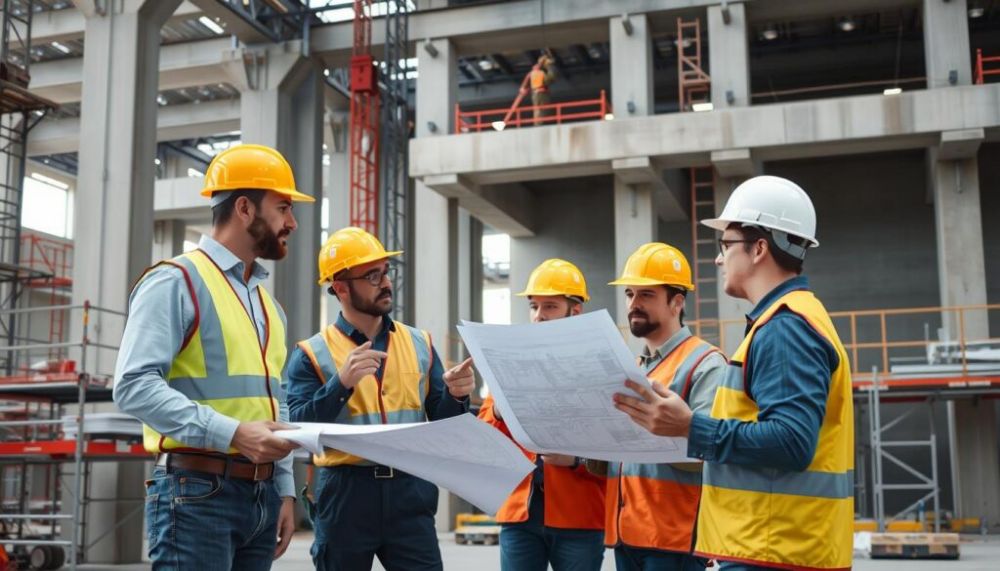
Complete Construction Project Planning Guide for Successful Builds , A well structured building process begins with clarity, foresight, and organized intent. The concept of Complete Construction Project reflects a comprehensive approach that integrates planning, coordination, and precise execution. When each stage is carefully considered, the entire process unfolds with greater efficiency and fewer disruptions. This level of preparation transforms complex developments into manageable and structured endeavors.

Defining Vision and Project Scope
Every successful build starts with a clearly articulated vision. Establishing objectives, design preferences, and functional requirements creates a solid framework for decision making. When the scope is defined with precision, it reduces ambiguity and aligns all stakeholders with a common goal. This clarity allows resources to be allocated effectively and ensures that the project progresses with purpose.
Budget Structuring and Financial Clarity
Financial planning serves as the backbone of any construction effort. A well developed budget outlines expected costs for materials, labor, and operational needs. Careful forecasting helps prevent unexpected financial strain while maintaining control over expenditures. By aligning the budget with project priorities, decision makers can maintain balance between quality and cost efficiency.
Timeline Development and Scheduling
Time management plays a crucial role in maintaining project momentum. Establishing a realistic timeline ensures that each phase progresses in a logical sequence. Coordinated scheduling allows tasks to overlap where appropriate, optimizing productivity without compromising quality. When timelines are respected, delays are minimized and overall efficiency improves.
Resource Allocation and Material Planning
Selecting the right materials and distributing resources effectively contributes to smooth project execution. Availability, durability, and cost all influence material decisions. Proper planning ensures that resources are delivered at the right time, preventing interruptions. This coordinated approach supports a steady workflow and enhances overall productivity.
Team Coordination and Communication
Clear communication among team members is essential for maintaining alignment. Regular updates and collaborative discussions help address challenges before they escalate. When all participants understand their roles and responsibilities, the project operates with greater cohesion. Strong coordination fosters a productive environment and encourages efficient problem solving.
Risk Management and Contingency Planning
Unexpected challenges are an inherent part of construction. Identifying potential risks in advance allows for the development of contingency strategies. Allocating additional resources or adjusting timelines can help mitigate disruptions. This proactive approach ensures that the project remains resilient and adaptable under changing conditions.
Quality Control and Performance Monitoring
Maintaining consistent quality requires continuous oversight and evaluation. Regular inspections ensure that work meets established standards and specifications. Monitoring progress also provides insight into performance and efficiency. By addressing issues promptly, the project maintains its integrity and avoids costly corrections.
Final Review and Project Completion
As the project nears completion, a thorough review ensures that all elements align with the original vision. Attention to detail during this stage enhances the overall outcome and confirms that objectives have been met. A structured closing process allows for a smooth transition from construction to occupancy or use.
Careful planning and disciplined execution form the foundation of successful building endeavors. The guiding principle of Complete Construction Project reflects a methodical approach that supports efficiency, coordination, and lasting results.