
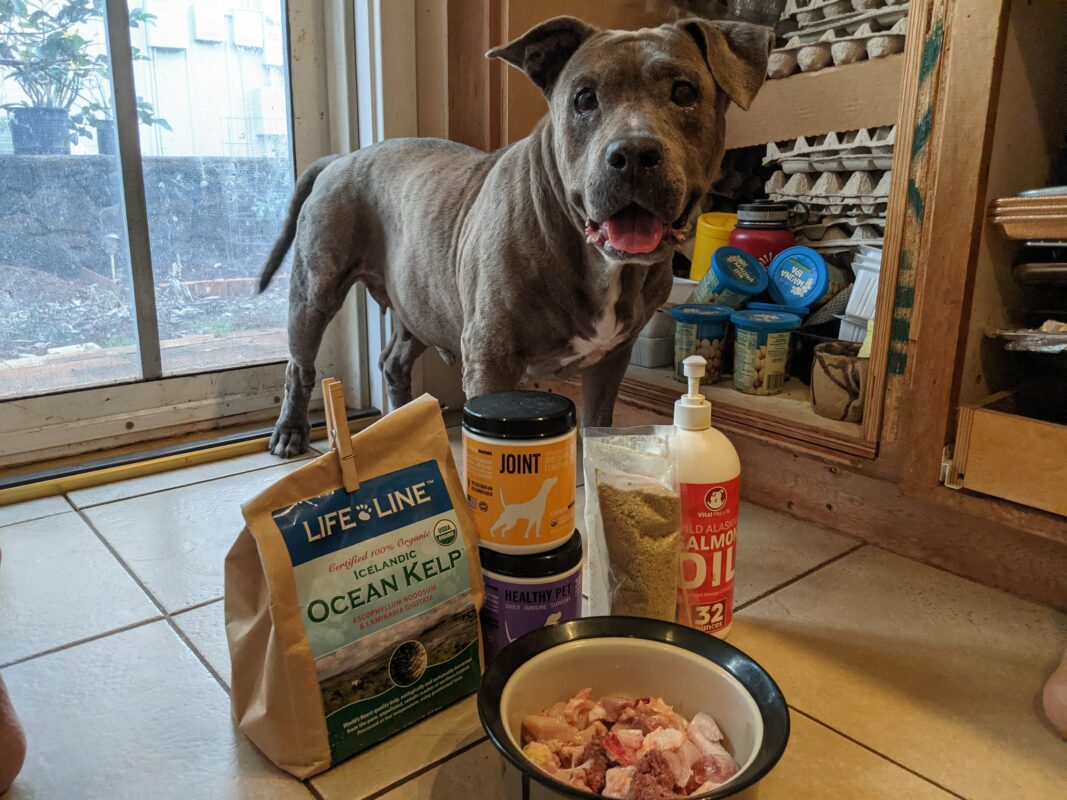
Providing nutritious meals for your canine companion doesn’t have to break the bank. With a little creativity and planning, you can prepare dog food at home that is not only healthy but also budget-friendly. DIY dog food allows you to have full control over the ingredients, ensuring that your furry friend gets the nourishment they need without compromising on quality.
Benefits of DIY Dog Food
Tailored Nutrition
DIY dog food allows you to customize meals based on your dog’s specific dietary needs and preferences. You can adjust the ingredients to accommodate allergies, sensitivities, or health conditions, ensuring that your dog receives optimal nutrition.
Quality Ingredients
By making your own dog food, you can select high-quality ingredients that meet your standards. You can choose fresh, whole foods without fillers, preservatives, or artificial additives, providing your dog with wholesome nutrition.
Cost-Effective
Preparing dog food at home can be more economical than purchasing commercial options, especially if you buy ingredients in bulk or take advantage of sales and discounts. With proper planning, you can provide nutritious meals for your dog without overspending.
Essential Components of DIY Dog Food
Protein
Protein is a crucial component of your dog’s diet, providing the building blocks for muscle development and overall health. Include protein-rich ingredients such as lean meats (chicken, turkey, beef), fish, eggs, and legumes (lentils, chickpeas) in your DIY dog food recipes.
Carbohydrates
Carbohydrates provide energy and fiber, supporting digestion and overall well-being. Incorporate carbohydrate sources like brown rice, sweet potatoes, oats, and quinoa into your dog’s meals to provide sustained energy and promote digestive health.
Healthy Fats
Healthy fats are essential for skin and coat health, brain function, and nutrient absorption. Include healthy fat sources such as salmon oil, coconut oil, flaxseed oil, and avocados in your DIY dog food recipes to support your dog’s overall health and vitality.
Vitamins and Minerals
Ensure that your DIY dog food recipes include a variety of fruits and vegetables to provide essential vitamins and minerals. Leafy greens, carrots, blueberries, and pumpkin are excellent sources of vitamins and minerals that can enhance your dog’s immune system and overall health.
Budget-Friendly DIY Dog Food Recipes
Chicken and Rice Recipe
Ingredients:
- 2 cups of cooked chicken (shredded)
- 1 cup of cooked brown rice
- 1/2 cup of cooked peas
- 1/2 cup of cooked carrots (diced)
- 1 tablespoon of olive oil
Instructions:
- Cook the chicken until fully cooked, then shred it into bite-sized pieces.
- Cook the brown rice according to package instructions.
- In a large mixing bowl, combine the shredded chicken, cooked brown rice, peas, carrots, and olive oil.
- Mix well until all ingredients are evenly distributed.
- Serve the dog food to your furry friend once it has cooled to room temperature.
Beef and Sweet Potato Stew
Ingredients:
- 1 pound of lean ground beef
- 2 sweet potatoes (diced)
- 1 cup of green beans (chopped)
- 1 cup of peas
- 4 cups of low-sodium beef broth
Instructions:
- In a large pot, brown the ground beef over medium heat until fully cooked.
- Add the diced sweet potatoes, chopped green beans, peas, and beef broth to the pot.
- Bring the mixture to a boil, then reduce the heat and simmer for 20-25 minutes, or until the sweet potatoes are tender.
- Allow the stew to cool before serving it to your dog.
Tips for Budget-Friendly DIY Dog Food
Buy in Bulk
Purchase ingredients in bulk to take advantage of cost savings. Look for sales and discounts at local grocery stores or consider buying from wholesale retailers.
Use Leftovers
Repurpose leftovers from your own meals to create nutritious dog food for your pet. Just make sure that the ingredients are safe and suitable for dogs, avoiding any harmful seasonings or additives.
Grow Your Own Ingredients
Consider growing your own fruits, vegetables, and herbs to use in your DIY dog food recipes. This can save money in the long run and ensures that you have fresh, organic ingredients on hand.
Rotate Ingredients
Rotate ingredients in your DIY dog food recipes to provide variety and prevent boredom. This allows you to take advantage of seasonal produce and ensures that your dog receives a balanced diet.
Safety Considerations
Consult Your Veterinarian
Before making any changes to your dog’s diet, consult with your veterinarian to ensure that it meets their nutritional needs and dietary requirements. They can provide guidance on ingredient selection and portion sizes based on your dog’s age, weight, and health status.
Avoid Harmful Ingredients
Avoid using ingredients that are toxic or harmful to dogs, such as onions, garlic, grapes, raisins, chocolate, and xylitol. Stick to safe and dog-friendly ingredients to prevent potential health problems.
Monitor Portion Sizes
Be mindful of portion sizes when feeding your dog homemade dog food. Overfeeding can lead to obesity and other health issues, so it’s important to measure portions carefully and adjust as needed based on your dog’s activity level and weight.
Conclusion
DIY dog food on a budget is not only a cost-effective way to provide nutritious meals for your furry friend but also allows you to tailor their diet to meet their specific needs. By incorporating protein-rich ingredients, complex carbohydrates, healthy fats, fruits, and vegetables into your homemade recipes, you can ensure that your dog receives balanced nutrition without breaking the bank. With proper planning, creativity, and attention to safety considerations, you can prepare delicious and nutritious meals that will keep your dog healthy and happy for years to come.
