
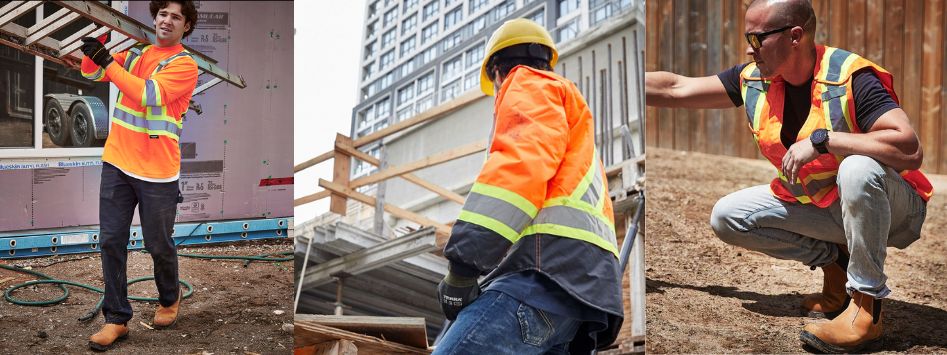
In the grueling conditions of roadside utility work, peak-summer construction, and high-intensity logistics, the traditional heavy cotton t-shirt is a liability. For the modern industrial athlete and wellness-focused professional, managing core body temperature is just as critical as maintaining visibility. The transition to high visibility shirts dri-fit materials represents a strategic shift toward physiological safety. Engineered with advanced moisture-wicking polymers, these “performance” safety shirts pull sweat away from the skin to the fabric’s surface, where it can evaporate rapidly. This process, known as evaporative cooling, prevents the dangerous rise in body temperature that leads to heat exhaustion. For health-conscious workers and older adults who are more susceptible to thermal stress, these shirts offer a dual-layered defense: ANSI-certified conspicuity to protect against external traffic, and high-tech breathability to protect against internal overheating.
The Science of Moisture Management
What distinguishes a professional “performance” safety shirt from a standard neon tee is the architecture of the knit. To meet the demands of a 10-hour shift in the sun, the fabric must function as a dynamic climate control system.
- Capillary Action (Wicking): High-quality polyester micro-fibers are shaped to create “channels” that move moisture away from the body instantly, keeping the wearer dry and preventing the “chilled” feeling of damp cotton.
- Birdseye Mesh Construction: Many top-tier performance shirts utilize a “Birdseye” knit pattern. This creates tiny openings in the fabric that maximize airflow without compromising the structural integrity of the garment.
- UPF Sun Protection: Beyond visibility, the best performance shirts offer a built-in Ultraviolet Protection Factor (UPF 35+), shielding the skin from the long-term damage of solar radiation during extended outdoor deployments.
- Anti-Microbial Treatments: To support long-term hygiene and comfort, professional dri-fit gear is often treated to inhibit the growth of odor-causing bacteria, ensuring the shirt stays fresh even during high-exertion tasks.
Balancing Comfort and Compliance
A common challenge for field managers is ensuring that “performance” gear remains compliant with safety regulations. Modern dri-fit shirts are designed to integrate seamlessly with ANSI/ISEA 107 standards.
| Feature | Standard Cotton Safety Shirt | Dri-Fit Performance Shirt |
| Heat Retention | High (Heavy when wet) | Low (Lightweight and breathable) |
| Drying Speed | Slow (Can lead to chafing) | Ultra-Fast (Prevents skin irritation) |
| Visibility | ANSI Class 2 or 3 | ANSI Class 2 or 3 |
| Durability | Prone to shrinking and fading | High color retention and shrink-resistant |
Reducing the Total Cost of Ownership (TCO)
From a budgetary perspective, performance safety shirts are an investment in workforce efficiency. For a project manager, the cost of a shirt is an insurance policy against heat-related downtime and employee turnover.
- Increased Productivity: A worker who is cool and dry stays focused longer than one struggling with heat fatigue. This directly impacts the accuracy and safety of high-stakes tasks like surveying or equipment operation.
- Extended Garment Life: Unlike cotton, which loses its “neon” vibrancy after repeated washings, high-quality polyester holds fluorescent pigments much longer, ensuring the garment remains “in-spec” for several seasons.
- Black-Bottom Options: Many performance shirts now feature dark fabric at the waist and sleeves (the “Black Bottom” style) to hide grease and dirt, allowing the shirt to maintain a professional appearance for longer intervals.
Supporting a Lifestyle of Safety and Wellness
For the fitness enthusiast with style who may be working in a warehouse or commuting on a bike, these shirts offer a “crossover” appeal. The athletic fit and lightweight feel are identical to high-end gym apparel, but with the added security of 2″ reflective tape. For older adults in the workforce, the reduced weight of a dri-fit shirt (often 30% lighter than cotton) reduces the physical burden of the daily uniform, supporting musculoskeletal health and overall energy levels throughout the day.
Furthermore, these shirts act as a base layer for year-round safety. In the winter, the moisture-wicking properties prevent sweat from cooling against the skin under a heavy jacket, which is essential for preventing hypothermia in sub-zero environments.
Choosing Your High-Performance Gear
Ultimately, your work gear should work as hard as you do. In an environment where the sun is as much a hazard as the traffic, your shirt must be a tool for thermal regulation. By prioritizing moisture-wicking technology and ANSI-certified visibility, you are investing in a more comfortable, productive, and secure workday.
For those ready to upgrade their summer safety kit with hardware that meets the highest industrial standards, National Safety Gear offers a curated selection of field-tested performance shirts. From long-sleeve Class 3 options for maximum sun protection to short-sleeve Class 2 Birdseye mesh, choosing a brand that understands the intersection of safety and science is the first step toward a more resilient operation.